Showing posts with label podcast. Show all posts

Pollen: The Protein Source of Bees

Thursday, 4 November 2021

Natural foods and health products has gained significant interest, especially over the past decade, as the link between good nutrition and good health has also gained interest in research studies. These studies help to provide a better understanding of the potential health benefits and applications of natural products, including various hive products. So far, in our ‘Hive Products for Human Health’ mini-series, we have discussed some health-related beneficial bioactivities and applications of honey, propolis, and beeswax. This week we are moving on to pollen; keep reading to learn about potential human health benefits of the protein source of bees: pollen.

What’s the Buzz with ATTTA Podcast Episode 10 is now available! Keep reading for a sneak peek of what this episode’s discussions are all about. 

We’ve began creating weekly “ATTTA Buzz” posts to share ATTTA news, announcements, and timely reminders intended for beekeepers in Atlantic Canada, but available to all others that are interested! We will be sharing these posts from our Twitter account (@beeatlantic) and through social media pages of some beekeepers’ associations and other beekeeping groups in our maritime region. Keep an eye out for the weekly ATTTA Buzz to stay up to date with what we’ve up to, we are glad to have you following along!

Pollen: The Protein Source of Bees

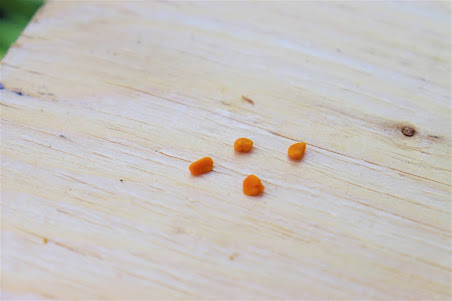
Pollen is collected by foraging worker bees and brought back to the hive to be made into bee bread used to feed larvae to provide essential proteins required for successful worker and drone brood production. A developing queen does not receive pollen in her diet. The pollen that is found stored within the hive is compositionally unique from its original form when it was produced by the flower from which it was collected. When bees collect pollen from a flower, they incorporate small amounts of nectar and a saliva-like substance that contains enzymes. This makes the pollen sticky enough to be packed neatly into a secure pellet in the worker bee’s ‘pollen basket’, located on her hindlegs. The composition of pollen itself is unique depending on the floral source, geographic location, and other environmental conditions; similar to honey and beeswax, as discussed earlier in this mini-series. Since foraging worker bees also add nectar and enzyme-containing saliva to the pollen to ready it for transport, compositional variation from these additions are also incorporated into the pollen. This is important to consider when discussing the composition and potential beneficial uses and therapeutic applications of honey bee collected pollen and pollen products (i.e., bee bread).

Antimicrobial and antioxidant activities of natural and fermented bee pollen *

Bee pollen is sold as a hive product for human health and nutrition in various forms including natural pollen pellets, capsules, powder, and also bee bread pellets and other forms of pollen that has undergone fermentation processes. Even if the same pollen source was used in a particular set of products, that include both pollen pellets and bee bread, the digestibility and bioactivities of the natural pollen and the fermented pollen tend to vary. Even between fermented pasteurized pollen and fermented natural pollen, the bioactivities of the product can vary. This study aimed to evaluate the bioactivities of both natural and pasteurized pollen that has undergone either spontaneous fermentation or fermentation through bacterial activity by two lactose related bacteria: Lactocoocus lactis and Lactobacillus rhamnosus. The results of this investigation indicate effective beneficial bioactivities and dietary values of various forms of pollen, for the purpose of consumption with the goal of improving of human health, including:

  • Fermentation = greater antioxidant activity
  • Antioxidant activity of fermented natural pollen > fermented pasteurized pollen
  • Antioxidant activity of bacteria fermented pollen > spontaneously fermented pollen
  • Fermentation = greater microbial activity; other microbial compounds are also produced by bacteria through the fermentation process
  • Fermentation = greater antifungal activity

Small variations and changes in the activities of all evaluated pollen were attributed to the botanical origin of the pollen itself and the type of fermentation process performed. This study concludes these findings with the idea that highlighting the improvement of bioactivities and health-benefitting potentials of bee pollen after fermentation has the potential to “open more applications of bee pollen in the food and pharmaceutical industries.”


* Kaskaniene, V., Adaskevicitue, V., Kaskonas, P., Mickene, R, and Maruska, A. 2020. Antimicrobial and antioxidant activities of natural and fermented bee pollen, Food Bioscience. Full text available ONLINE.
 

What’s the Buzz with ATTTA Podcast Episode 10

Dr Andony Melathopoulos is a researcher and beekeeper with direct ties to eastern Canada.  Having spent time at Nova Scotia’s Dalhousie University (AC campus) while undertaking his doctoral studies, Andony contributed in a positive, and long lasting way to our industry.  Through his research work and enthusiastic teaching Andony left a strong impression on those he met while in Nova Scotia.  Listen to our latest podcast to learn about Andony’s beekeeping journey from eastern Canada to his position on the faculty of Oregon State University.  Find out about his current research related to pollination and honey bee health! You will encounter few beekeepers who are as interested and energetic about honey bees as this months guest, so take a few minutes to meet or reacquaint yourself with this fascinating beekeeper. Listen from your choice of podcast streaming platforms HERE.


Connecting with ATTTA Specialists


If you’d like to connect with ATTTA specialists or learn more about our program, you can:


How Much do We Need to Feed?

Thursday, 16 September 2021

Last week we discussed different styles of equipment which can be used to feed supplementary sugar syrup to honey bees. This week, we will continue the discussion of fall feeding, considering the nutritional requirements for the bees and how much syrup will be necessary to achieve these requirements.

Also, see information below on our latest ATTTA podcast.

How Much do We Need to Feed?

Beekeepers typically need to feed bees in the fall to replace the honey harvested from the hive. In Atlantic Canada, it is recommended to overwinter hives with at least 35kg of honey stored. With these reserves, strong hives should be able to withstand the winter. A common way to measure the honey content in a hive is by lifting the hive to assess its weight. If you are able to lift the hive with one hand, it is likely that the hive is too light and requires feeding. With experience beekeepers become very good at assessing hive weight with this “heft” test.

Supplementary feeding may be required at various times throughout the beekeeping season and is done for different reasons. For example, a new colony which does not yet have drawn comb will need to be fed to stimulate wax production. In the fall, feeding is typically for the purpose of stocking food for the winter. For this, a ratio of 2:1 sugar to water is the ideal syrup. Thick syrup is useful for fall feeding because it creates less work for the bees. When forager bees collect nectar and bring back it to the hive, it is then cured within the hive for proper storage. Nectar typically starts with about 70% water content and is stored as honey with about 18% water. Water is removed first through the act of passing the nectar from mouth to mouth within the colony and then further by fanning bees and warm air circulating through the hive. Removing excess water creates a substance with a higher sugar concentration, allowing bees to store more energy efficient reserves in less space and creating a substance that is not capable of spoiling! Supplementary sugar syrup needs the same treatment. By providing bees thicker syrup to begin with, they are more easily able to cure the syrup into a storable form.


How much syrup must you feed your bees? This question depends on how much honey is already in the hive and how much stored food you would like your bees to have. One gallon of 2:1 sugar syrup will be converted into about 3.2 kgs of stored food. Therefore, if you want your bees to store an additional 35 kgs on top of what is already in the hive, you must feed them 11 gallons (41 liters) of 2:1 feed.  It is very unlikely that a normal, healthy hive would contain no honey. Be mindful of excessive feeding, as well. It is possible to overfeed your bees and be left with a honey bound hive. In this case, the queen may run out of space to lay and the population of bees in the spring will be unfavorably low. The bees will also need time to cure the syrup into its storable form. If they are not allowed sufficient time to cure the syrup, it may enter the winter with excessive water content and end up freezing or fermenting, both of which are detrimental to overwintering bees. Here in Atlantic Canada, September is a good time to start with supplemental feeding and normally by mid October feeding should be complete.

For even more information on feeding your bees and getting them ready for the winter, check out the ATTTA Fall Honey Bee Management Guide (https://www.perennia.ca/wp-content/uploads/2019/10/09-fall-honey-bee-management-guide-eng.pdf) and Feeding Honey Bees (https://www.perennia.ca/wp-content/uploads/2018/04/06-feeding-honeybees-eng.pdf) fact sheets.


What’s the Buzz with ATTTA Beekeeping Podcast 

Episode 8

The Canadian Honey Council (CHC) represents all beekeepers from the hobbyist with one hive through to the largest commercial operation with thousands of colonies.  Nationally, there are more than 10 000 beekeepers, managing nearly one million colonies, supported directly by the work of the CHC.  As the national association of the beekeeping industry, the CHC undertakes many of the big issues related to honey fraud, product labelling, employment and much more.  This month’s episode of What’s the Buzz with ATTTA Beekeeping podcast explores the work of the CHC through a discussion with the association’s executive director, Rod Scarlett. You can find the podcast HERE.

Connecting with ATTTA Specialists


If you’d like to connect with ATTTA specialists or learn more about our program, you can:


Honey Bees & Blueberries: Season Updates

Friday, 7 May 2021

This week’s blog provides some updates on the progression of both the beekeeping and blueberry seasons so far. We reached out to a couple experts in these industries who were kind enough to shed some light on how this year’s season is shaping up, including some updates and predictions specifically for this year’s blueberry pollination! It has been a bit of an odd spring, so it is a good idea to make sure, if you are a beekeeper in blueberry pollination, that you are communicating and staying up to speed on how the blueberries are coming along.

ATTTA also has some exciting updates of our own to share! Keep reading to find out what new and exciting things are coming in our ‘What’s the Buzz with ATTTA’ beekeeping podcast and our Fundamentals of Beekeeping certificate program.

Honey Bees & Blueberries: Season Updates

Here in the Maritimes of Canada, the beekeeping industry and the honey bee industry are closely tied to one another through pollination. The blueberry growers need their blueberry blooms to be sufficiently pollinated for a good berry yield and the beekeepers have just the thing for the job! As a beekeeper involved in blueberry pollination, it is important to stay informed about the progression of blueberry bloom to ensure that colony management matches the timing of the season and that hives will be ready to go for pollination.

Cameron Menzies, Berry Crop Development Officer / Provincial Apiarist at PEI Department of Agriculture provided an update for the PEI area:

“Things are looking good here so far - don’t have any official numbers yet as to what our overwinter losses are but the anecdotal reports I’ve been getting from beekeepers are positive (10% - 20% loss range). Some beekeepers are even talking about swarm management now to deal with strong hives that came through the winter. 

Spring is advancing quite quickly here - we’re likely ahead by around a week in terms of blueberry bud development. I’m guessing wild blueberry pollination is going to start a week early here. Willow catkins are in full bloom and producing a lot of pollen - I’ve even seen some dandelions beginning to bloom.”

Michel Melanson, Crop Specialist at New Brunswick Department of Agriculture provided an update for the New Brunswick area:

“Blueberry fields have come through with very little winter injury observed, in most of the major growing regions. The early snow melt and warm March and April have accelerated blueberry development. Many of the region are 5 to 7 days in advance compared to previous years. 

As the crop is on track to be about 5-7 days earlier, growers and beekeepers are encouraged to make early contacts, as potential delivery dates and field pollination may be earlier than previous years.

Southern NB:

Many fields are now 50% or more at the F2 to F4 stage. Coastal fields are 30 to 40% F2. It is likely the first flowers will be visible in mid May

Northern NB: 

Fields visit in a few locations recorded about 20% F2 in certain areas of the field.  Again, these fields are 5 to 7 days advance compared to previous years. A few open flowers should be visible by Victoria Day weekend.”


Hugh Lyu, Wild Blueberry Specialist, Perennia Food and Agriculture Inc, provided an update on the Nova Scotia blueberry situation:

"Blueberry plant development: things are moving fast this spring. I am sure most of you would notice the fast development of blueberry plants this year. By the end of April, fields in southwest NS and Hants county, blueberry plants have reached more than 40% of F2 floral buds. That means fields in those areas are walking to the Monilinia blight season. Growers in those areas should monitor the forecast closely. Fields in other areas are not that far away from the threshold. Some early fields in Colchester and Cumberland got their first blight spraying in the last two weeks of April and the majority of fields are at 30% and above, therefore, those fields will walk into the blight season the first week of May or sooner. If you want to know more details about plant development in NS wild blueberry fields, please visit Perennia’s wild blueberry blog:                 http://www.novascotiawildblueberryblog.com/.


Figure 1. Blueberry Crop Field, 2021.

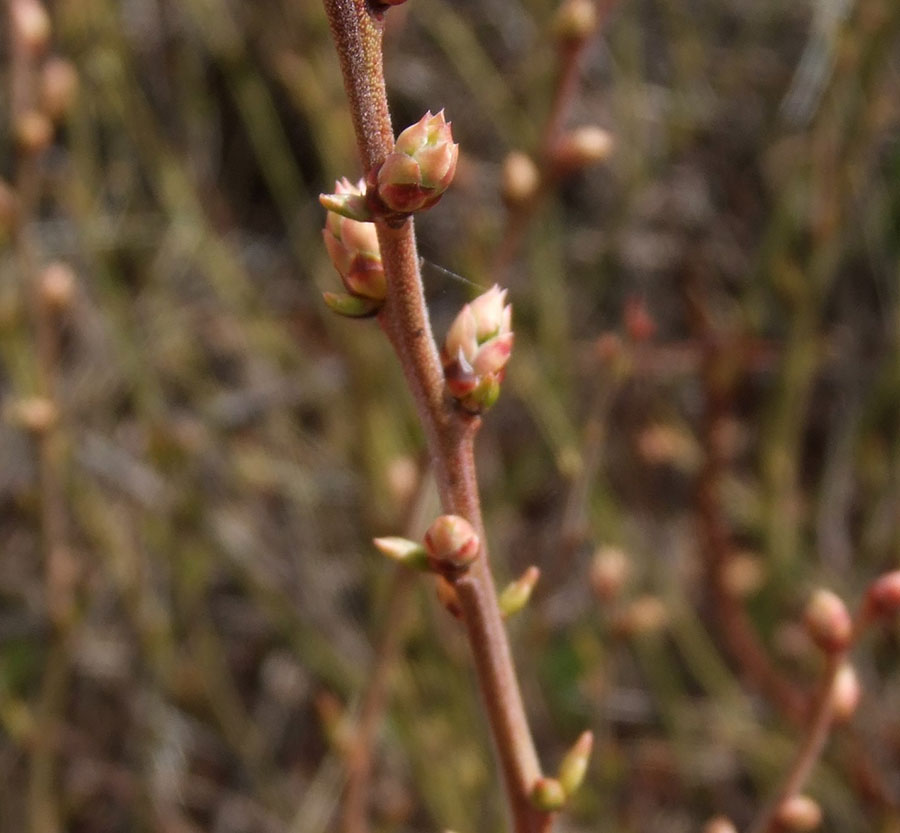
Figure 2. Blueberry floral buds at F1 and F2 stages.


Winter damage on floral buds: this past winter, we had low snowfall and little snow coverage in blueberry fields. I have concerns about potential winter damage on floral buds over the winter.  When I did blueberry stem bud counts over the last few weeks, I observed minimum to no winter damage on floral buds in Colchester and Hants. The average floral bud numbers in those areas range from 6-12 per stem.

Figure 3. Blueberry stems with floral buds.


Pollination: With the fast plant development and warm weather, I expect we will get an early pollination season if the condition stays this way. The growing degree model data from the province show that we are well ahead of the last five years."


ATTTA Updates:

Episode 4 of our ‘What’s the Buzz with ATTTA’ beekeeping podcast is set to be released on Friday May 7th and will be available on a variety of platforms for your listening and learning enjoyment. Check it out, give it a listen, see what neat bee-related topics you will learn about in this hot-off-the-press podcast episode! Access our podcast episodes here.

The second course of our four-course beekeeping certificate program – offered in partnership with Dalhousie Extended Learning – is getting its final touches to be ready for its rollout early next week! Teaching and learning for our Fundamentals of Beekeeping program, Course 2: Working Bees & Hive Health will commence on Tuesday May 11th and conclude on Saturday May 15th. If you would like to be a part of this virtual and online beekeeping course, there is still time to register! Program, course, and registration details are found on the Fundamentals of Beekeeping program website. 


Connecting with ATTTA Specialists


If you’d like to connect with ATTTA specialists or learn more about our program, you can:


ATTTA’s Spring Honey Bee Management Guide

Thursday, 8 April 2021

As we approach mid-April and with warmer weather on the way, spring beekeeping is upon us! Have you got your to-do list laid out and your tasks organized in a spring honey bee management plan catered to your goals for this season? If you are not quite there yet, no need to worry, ATTTA’s Spring Honey Bee Management Guide is a great resource to help you make sure you hit all the key points of honey bee management for spring.

Announcement: ‘What’s the Buzz with ATTTA’ beekeeping podcast Episode 3 is now live and ready for your listening, learning, and enjoyment! Keep reading for more details on what topics are discussed in the third episode of our podcast.

ATTTA’s Spring Honey Bee Management Guide

There are a number of spring housekeeping practices to ensure hives are clean and colonies can build up. Spring housekeeping tasks include:

1.  Unwrap hives

The timing for unwrapping hives is largely dependent on weather, but hives are typically unwrapped in April in Atlantic Canada. The timing of unwrapping is important since brood can get chilled and die if a colony is unwrapped too soon and the bees are not able to keep the entire broodnest warm enough. If in doubt, wait; the risk of overheating in spring due to the wrap is very low.

2.  Remove entrance reducers  

Although shrew guards have already been taken off, entrance reducers can be removed in spring to allow for more ventilation as the weather gets warmer and to provide a larger entrance/exit for foragers to pass through. If a colony is weak, the entrance reducer may be kept in place so that the colony has a smaller opening to defend.

3.  Check and clean bottom boards

When cleaning bottom boards, check for dead bees, observe any abnormalities, and remove residue (can be scraped with a hive tool). Reverse the bottom board if reversible and/or torch the bottom board after scraping to help destroy diseases that may be present.

4.  Reverse hive bodies to move cluster to the bottom box

Hive bodies (chambers) can be reversed for colonies overwintered in doubles. As the cluster moves through the hive over the winter, it will end up in the top box in the spring. Take the top box and reverse it with the bottom box to encourage bees to move through hive but leave some honey in the bottom to provide a close food source during cool weather. Before reversing, make sure to assess the colony’s broodnest placement and check the weather forecast. If it gets too cold after reversing and the broodnest is not a single continuous unit, a colony might abandon a section of brood to preserve another if there are not enough bees to keep both brood sections warm!

5.  Assess comb

Inspect and replace comb in the spring. Try to rotate comb out every three to five years. Inspect for signs of American Foulbrood (AFB). Check out last week’s blog to learn more about why old comb should be rotated out and how the age of comb impacts a colony’s productivity!

6.  Feed hives

A 1:1 solution of sugar syrup can be fed to stimulate brood rearing. Be careful to not feed too much in case the hives become ‘honey bound’ too early, causing the queen to run out of room to lay eggs and potentially stimulating swarming. If the hive contains too many honey frames and there is limited room to lay, remove some of the honey frames and replace with drawn empty frames to encourage brood rearing. Pollen patties can also be fed.

7.  Monitor for diseases and pests

Sample for Varroa mites (see Integrated Pest Management section of ATTTA’s Spring Honey Bee Management Guide for further information) and send off bee samples for Nosema spore counts (or count on your own with a microscope). If Nosema spores exceed threshold, feed fumagillin in sugar syrup. Beekeepers may add thymol or other products to sugar syrup to lower the Nosema spore count if the threshold has not yet been exceeded. If mites exceed threshold, select a treatment method not used in previous 12 months.

For more tips and information on spring beekeeping duties, check out the full ATTTA Spring Honey Bee Management Guide available online.


What’s the Buzz with ATTTA Beekeeping Podcast: Episode 3!

The third episode of ATTA’s beekeeping podcast is now live and ready for you on a variety of listening platforms! With this month’s podcast, the conversational tour of beekeeping in our regions continues and talk to well known local beekeeper Chris Lockhart. Chris is from New Brunswick and keeps bees around the Moncton area. As a second-generation beekeeper, his business, Lockhart Apiaries, is involved in pollination and honey production. He sells quality, local honey under the brand Atlantic Gold which is found in stores across the region. During conversation, Chris talks about the challenges of running and growing a beekeeping business during these difficult times of Covid-19 and climate change. Listen to the podcast to find out more about beekeeping, pollination services and baseball bats! An informative chat of interest to anyone beekeeping in Atlantic Canada!

To access Episode 3 of the ATTTA podcast from a variety of listening platforms, visit the ‘What’s the Buzz with ATTTA’ beekeeping podcast website. Hope you enjoy!


Connecting with ATTTA Specialists


If you’d like to connect with ATTTA specialists or learn more about our program, you can:


Genetic Past, Present, and Future of the Honey Bee (Apis mellifera) in the United States of America

Thursday, 11 March 2021

This week’s blog will start a short series exploring the history of the honey bee as an introduced livestock species into the USA and how beekeepers shape the genetic history, present, and future of the honey bee. This first part of the series will cover the history of importing honey bees into the United States, beginning in 1622, and will outline the original lineages from which the honey bees we know today are descendants of. Keep reading to learn more and make sure to check back next week for part two!

We are also excited to announce that Episode 2 of the ‘What’s the Buzz with ATTTA’ beekeeping podcast is now live and ready for your listening, leaning, and enjoyment! See below for more details on what topics are discussed in this second episode of our podcast.

Genetic Past, Present, and Future of the Honey Bee (Apis mellifera) in the United States of America * 

Honey bees are not native to North America but were brought here by colonists hundreds of years ago. A recent study worked to track the history of honey bee importation, distribution, and breeding in the USA to provide a foundation for understanding how honey bee genetics have changed over time, largely due to human management.

There are five lineages that each of the 29 presently known subsets (or subspecies) of honey bees are descendants of. Identifying these provides a foundation from which connections can be drawn between subspecies of honey bees and their original native populations. The five native lineages are:

  • A lineage: Africa
  • M lineage: northern Europe and central Asia
  • C lineage: central and southern Europe
  • O lineage: Middle East and western Asia
  • Y lineage: Arabian Peninsula and Ethiopian Highlands

From 1622 to present day, at least nine subspecies from at least four of the native lineages of honey bees have been imported into the United States. A recent study developed a timeline of honey bee management activities in the United States of America based on an extensive exploration of historic records, as summarized:

Timeframe:

Records:

1622 – 1850s

  • English “dark bees” imported into USA; M lineage introduced
  • Colonies spread in import regions by human management and swarming
  • Colonies distributed by beekeepers from East Coast states to Pacific Coast

1860s

  • Italian honey bees imported into USA; C lineage introduced
  • Thousands of Italian queens distributed throughout the US following establishment of Italian queen supply operations

1870s

  • Carolinian honey bees imported into USA; from C lineage
  • Carolinian bees became a popular choice in the queen supply industry

1880s – 1890s

  • Caucasian honey bees imported into USA; O lineage introduced
  • Other honey bees from A and O lineages also imported

1900s

  • USA-reared Caucasian queen breeding operations established and Caucasian queens distributed throughout the country

Early – Mid-1900s

  • Bee Act established 1922; later extended to prohibit spread of “Africanized” honey bees (AHBs)

1980s

  • Varroa identified as a serious issue; Varroa-resistant genetics integrated into breeding programs in the USA
  • Escapee AHBs established themselves in the USA

2004 – 2010

  • Honey bees imported from Australia and New Zealand
  • Australian importations ceased in 2010 due to Apis cerana concerns

Present

  • Importation of live honey bees from New Zealand and Canada
  • Importation of honey bee genetic material from Sweden, New Zealand, Australia, Canada, Bermuda, France, and Great Britain
  • Special permission importation of honey bee genetic material from Germany, Italy, Georgia, Slovenia, and Poland


After hundreds of years of importing honey bees and mixing genetics from various lineages and populations around the world, the USA honey bee population structure is now a uniquely diverse and mixed pool of genetics. Come back next week to learn more about the connection between these historic records of honey bee management and the genetics of honey bee populations in the USA!

* Carpenter, M. H. & Harpur, B. A. (2021). Genetic past, present, and future of the honey bee (Apis mellifera) in the United States of America, Apidologie, full text available online.


What’s the Buzz with ATTTA Beekeeping Podcast: Episode 2!

The second episode of our beekeeping podcast is now live and ready for you on a variety of listening platforms! Episode 2 features an interview with well-known and successful Nova Scotia Beekeepers, Sandra and Mario Swinkels. The Swinkels are based in Antigonish NS and are involved in beekeeping, pollination services and honey production. In addition, they have a successful range of honey bee-related value-added products which they retail directly to consumers and through local shops. We talk about establishing their beekeeping business and the challenges they face as they continue to expand. Mario and Sandra provide advice and tips for anyone interested in starting out or growing their beekeeping operation. Listen and enjoy this casual conversation, rich with valuable information for all beekeepers in our region. To access Episode 2 of the ATTTA podcast from a variety of listening platforms, visit the ‘What’s the Buzz with ATTTA’ beekeeping podcast website. Hope you enjoy!


Connecting with ATTTA Specialists


If you’d like to connect with ATTTA specialists or learn more about our program, you can:


NSBA AGM

Thursday, 18 February 2021

Reminder that the NSBA is holding their AGM this Friday and Saturday!

This week’s blog also covers an exciting ATTTA update: Episode 1 of the ‘What’s the Buzz with ATTTA’ beekeeping podcast is now live! Keep reading below to get a sneak peek on some of the topics that are discussed in our first podcast interview.

NSBA AGM

The Nova Scotia Beekeepers Association will be holding their Annual General Meeting from February 19th to 20th. Friday events will begin at 6:00PM and conclude at 9:15PM. Saturday events will begin at 9:00AM and conclude at 3:30PM. There will be updates from Provincial Apiarists, the Canadian Honey Council, ATTTA, and more! The meeting will take place virtually due to COVID-19 restrictions. Information can be found on the NSBA website.


What’s the Buzz with ATTTA Beekeeping Podcast: 

Episode 1

We are excited to announce that our very first podcast interview is now live and ready for you on a variety of listening platforms. Episode 1 features an interview with the PEI Beekeeper’s Association Board of Directors member, and commercial beekeeper, Andrew MacFarlane. The interview discussions delve into topics that are sure to get you thinking about how and why beekeepers, especially in Atlantic Canada, have various strategies in place to suit our region and how other strategies from around the world compare and function differently. Listen along to learn about different moisture issues in beekeeping across Canada, how weather patterns and extreme weather events are changing the ways we do beekeeping, what on earth the Fibonacci sequence has to do with a certain style of beekeeping, and much more! To access Episode 1 of the ATTTA podcast from a variety of listening platforms, visit the ‘What’s the Buzz with ATTTA’ beekeeping podcast website. We hope you enjoy!


Connecting with ATTTA Specialists

If you’d like to connect with ATTTA specialists or learn more about our program, you can: